McClave School Scores a Touchdown with Tahoma 31: A New Standard for Colorado Athletics
McClave, CO — April 21, 2026
By Ross Kurcab, CSFM
At McClave School (K-12), excellence isn’t just a goal; it’s a tradition. With championship banners crowding the rafters, the school’s athletic pedigree is undeniable. However, by 2023, the crown jewel of their outdoor facilities—the football field—was failing to live up to that standard.
The Challenge: A Field in Decline
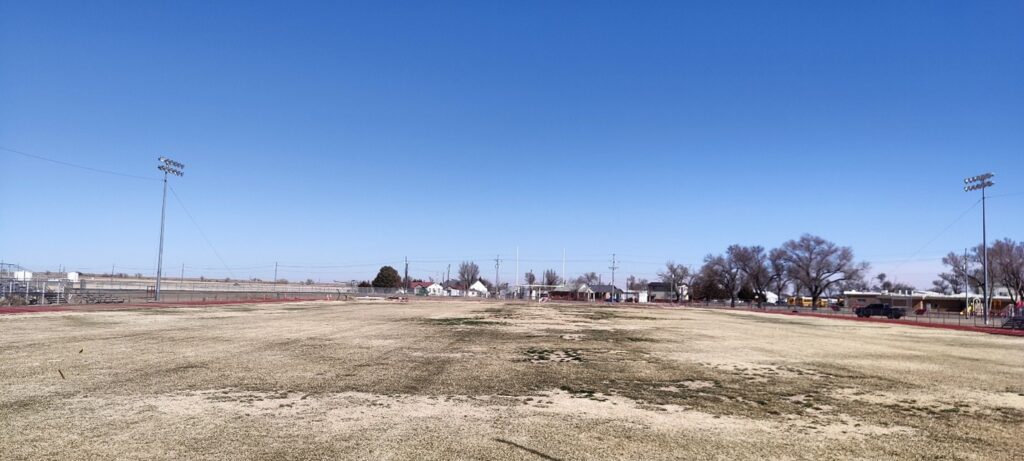
McClave School Football field. February 2024.
Thinning grass, stubborn weeds, and persistent bare patches had turned the field into a source of frustration. For Superintendent and girls’ basketball coach Brianne Howe, the situation had become a matter of athlete safety. “We had tried everything—seed, sod, you name it,” Howe recalls. “But nothing worked. It was just weeds and bare patches, and we felt it was becoming unsafe for our players.”
The struggle was compounded by the harsh realities of Southeast Colorado’s climate. Like much of the region, McClave faces significant hurdles regarding water quality and quantity. While local well water is often too saline and costly to treat, the alternative—ditch water from the Arkansas River—is unpredictable in both availability and cost during hot, dry cycles.
The Solution: Tahoma 31 Hybrid Bermudagrass
The experts at Green Valley Turf Co. identified the perfect fix: Tahoma 31 (T31). This cold-hardy hybrid bermudagrass is engineered for high-performance environments:
Salt Tolerance: Nearly 4x the tolerance of traditional Kentucky Bluegrass.
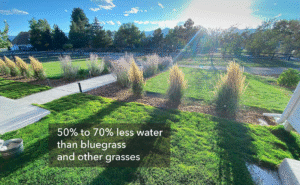
Water Efficiency: Thrives on less than half the water required by traditional bluegrass or fescue fields.
Durability: Exceptional traffic tolerance and resilience against Colorado’s erratic and cold winters.
Transformation and Results
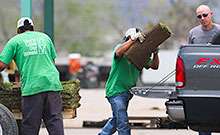
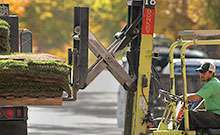
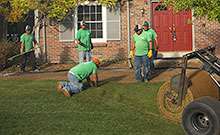
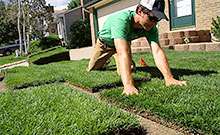
In the winter of 2024, the school began a complete overhaul, rebuilding the aged irrigation system and prepping the soil for the field’s first-ever full resodding. On June 1, 2024, Tahoma 31 sod from Green Valley’s Platteville farm was installed. The field was more than ready for play by early August.
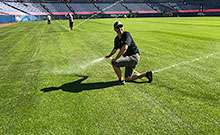
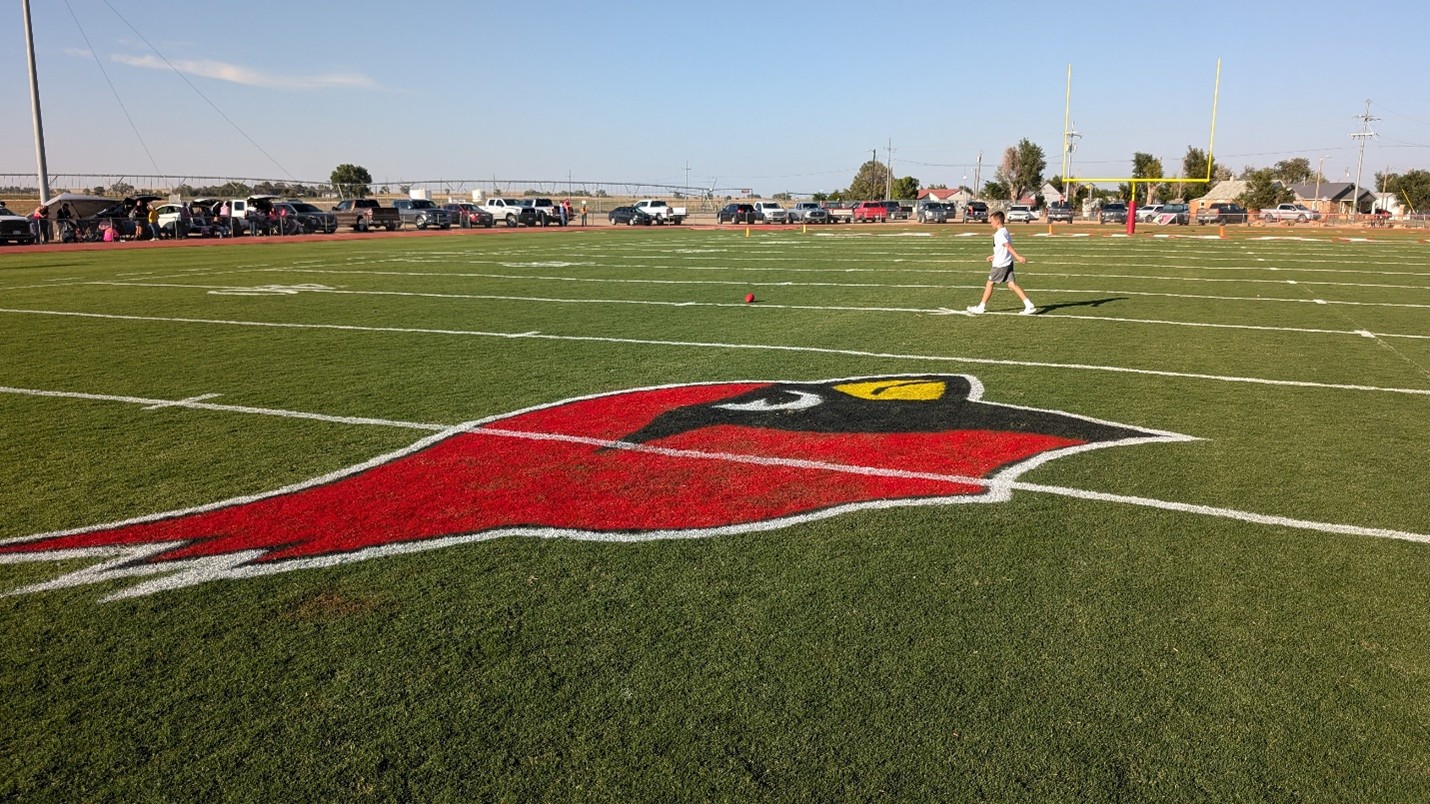
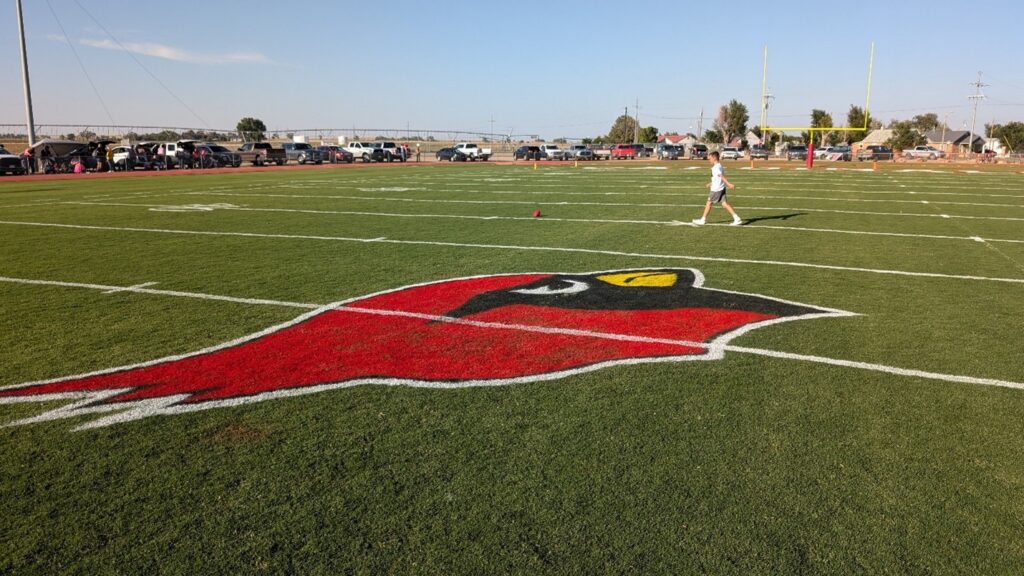
New Tahoma 31 field. September 2024
The difference was immediate. Unlike the tough, “wiry” bermudagrass varieties often found in the region, Howe describes Tahoma 31 as a “soft, lush, and tight carpet.” “It makes a great surface for our players, which is our top priority,” Howe noted. “It’s incredibly divot-resistant and recovers from the wear and tear of games and practices remarkably well.”
A Sustainable Future for the Cardinals
The community response has been overwhelmingly positive. As the only school in the area currently utilizing T31, McClave has become a point of interest for visiting teams and media alike. “I mean, they love it! We are so thankful because now we have a field everyone can be proud of.” said Howe. “We have received a lot of compliments and questions from visiting teams and the local media.”
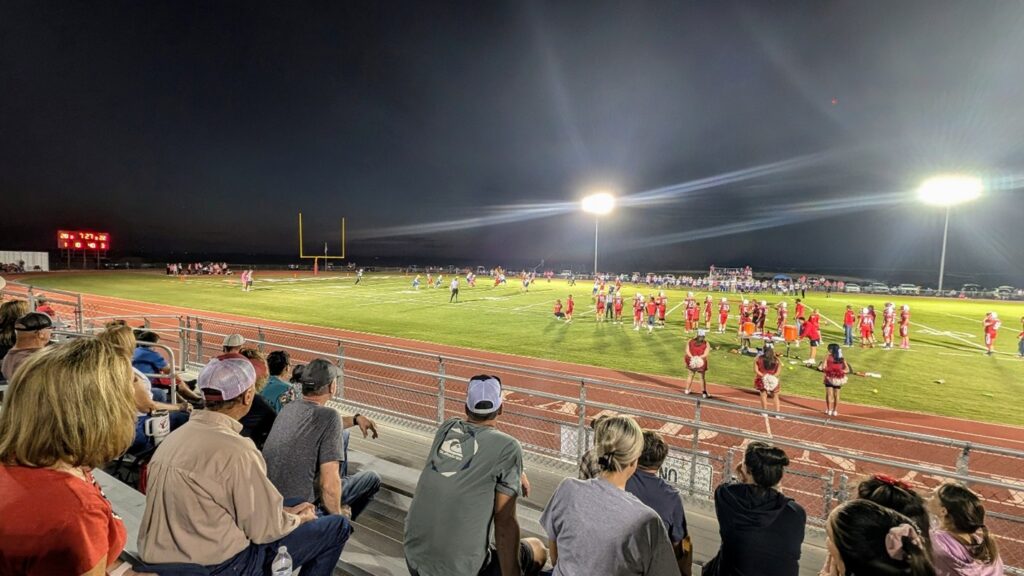
The new Tahoma 31 field has become a source of great pride for the top-ranked "Bird Gang" and their passionate fans in SE Colorado.
The decision to go with Tahoma 31 has proven especially prophetic following Colorado’s dismal winter snowpack this year. Despite predictions of limited Arkansas River water, McClave remains confident they can maintain a beautiful, safe playing surface.
Looking Ahead:
Spring 2026: Encouraged by the football field’s success, McClave has begun installing Tahoma 31 on their existing baseball/softball field.
Fall 2027: The new McClave School campus is set to open, featuring a sustainable landscape design that utilizes reclaimed water for all athletic fields—with Tahoma 31 as the primary specification.
By choosing Tahoma 31, the McClave Cardinals have secured a field worthy of their athletes at a fraction of the cost of artificial turf, proving that high-performance sports can—and should—be sustainable.
Spring is the season to start caring for your Tahoma 31 lawn in Colorado. By following a few easy steps, you’ll be able to enjoy a beautiful lawn all summer with minimal upkeep. With the right care techniques, you can encourage early green-up, reduce weed pressure, and build a strong foundation for the summer ahead. Here is a simple, step-by-step guide for Tahoma 31 Bermudagrass spring lawn care in Colorado.
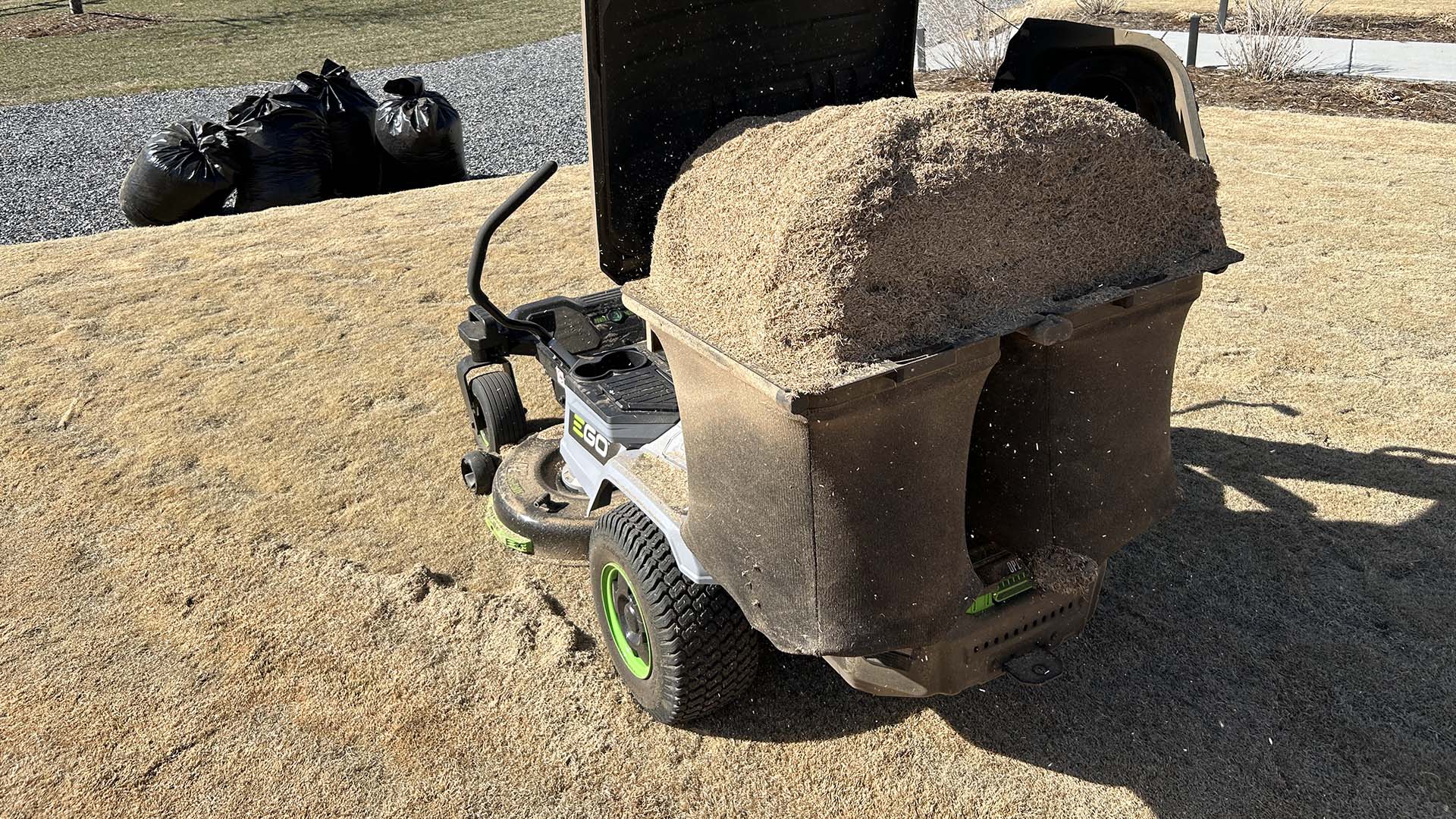
Step 1 – Scalp the Lawn (March-April): Once the grass begins to show a “hazy” green color (about 50% green-up), mow it very low—around 0.5 to 1.5 inches—to remove dead, dormant growth. This allows sunlight to warm the soil, reduces thatch, and will even out the appearance of the lawn. Bag the clippings during this initial cut.
Step 2 – Apply Pre-Emergent Herbicide (Early Spring): To prevent summer weeds such as crabgrass and goosegrass, apply a pre-emergent herbicide like our Crabgrass Control Plus 16-0-4-0 or Team 2G pre-emergent before soil temperatures reach 55°F. Look for a crabgrass preventor labeled for Bermudagrass.
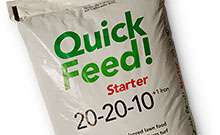
Step 3 – Fertilize After Green-Up: Do not fertilize too early, as it will feed weeds rather than your grass. Wait until Bermudagrass is actively growing and the risk of frost has passed. Fertilize the first few weeks of May. Choose a slow-release nitrogen fertilizer, such as our 20-5-5 Slow Release or 20-20-10, and follow the label directions for application rates.
Step 4 – Watering (Late Spring): A little water goes a long way with Tahoma 31 in spring. Delay regular irrigation until May, relying on spring rains and snow for moisture. During dry spring conditions, water lightly every 7 to 14 days. In May, Tahoma 31 needs about 1/4 inch of water per week. Spring Tahoma 31 lawn care will set your lawn up for the summer with less maintenance.
For more information, visit our page on Tahoma 31 here.
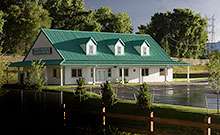
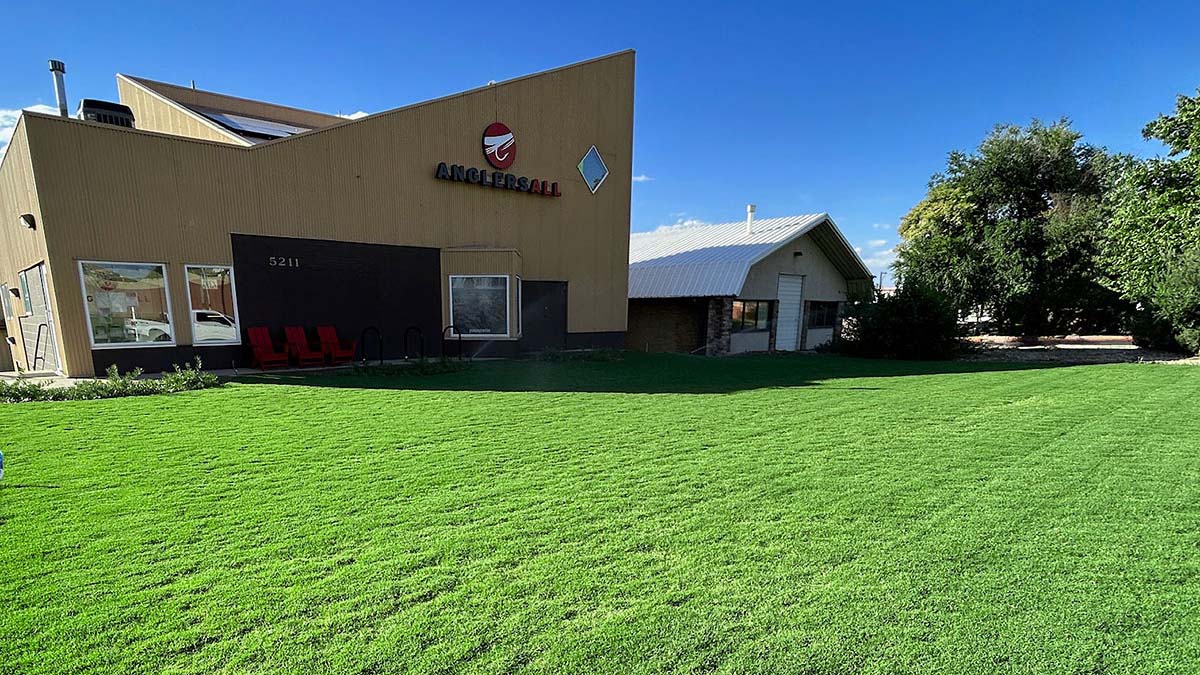
In 2022, Anglers All of Littleton, CO, built a new retail space, the Boathouse, to sell fishing watercraft, rafts, and paddle boards. The Boathouse was designed to be 100% solar-powered, equipped with heat pumps and mini-splits for both AC and heat. Chris Heeley, owner of Anglers All, wanted the building’s water use to be close to zero. For the front of the Boathouse, Chris had a small strip of turf mixed with xeric low-water-use shrubs installed. No irrigation needed.
Finding Natural Alternatives
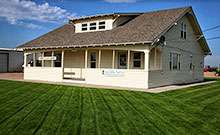
Chris also wanted to eliminate the grass in front of the existing building on the South Santa Fe frontage road to reduce water use, but the alternative was too hot and abrasive for casting fly fishing rods. In the front lawn, Tahoma 31 sod was installed, and shrubs were replaced with low-water varieties. Chris says the Tahoma 31 keeps the lawn and building cool, provides a soft, green place for customers to cast and demo fly rods, and uses much less water than the existing bluegrass lawn. A perfect solution.
Keeping Water in the River
According to Chris, an analysis of water bills from April through September 2022 vs. 2025 shows that total site usage is down 44% and bills are down 50%. Not only has it reduced water use and costs, but it has also saved on lawn care costs. Chris says that because we don’t need to mow every week, we have been able to keep maintenance in-house. The turf quality and appearance of the Tahoma 31 lawn is also superior to the old bluegrass lawn, with less weed pressure and less irrigation in high traffic area. Anglers All, keeping more water in the river.