



The Monsoonal Flow, July 2014
July brings afternoon showers and thunderstorms to Denver and the front Range due to the monsoonal flow. If you get a rain shower on your lawn, be sure and turn off our sprinklers. High humidly and afternoon showers can keep shaded lawn areas damp and prone to powdery mildew. If you seen a white dust forming on the blades of grass, dry up the area for a few days.
Rabbits! June 2014
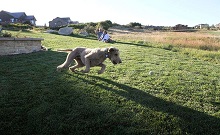
The rabbit population this June seems to be running rampant! Not only do the little critters gnaw plants down to the root, but concentrated rabbit urine can create brown spots in lawns. One of the best ways to get rid of them is to make their lives as uncomfortable as possible. Trim shrubs and bushes and let your dog chase the rabbits. Read more…
Spring Fertilization, May 2014
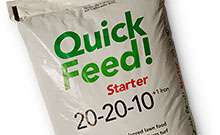
It’s time to fertilize your lawn and get ready for summer. If you have not fertilized this spring, use a fast release full analysis fertilizer that has plenty of Nitrogen, Phosphorus & Potassium. This is a good safeguard because now your yard is getting all the nutrients and will not have a nutrient deficiency later in the season. Try our 20-20-10.
Fall Sod Will Need Water, April 2014
Lawns that were sodding last fall will need watering this April. Your newly sodded fall lawn has rooted down and all the seams have disappeared but your new lawn still has a shallow root system. A few waterings in April will help your new sod grow a deep root system. New lawns need a year to establish a deep root system. A little water goes a long way this time of year. Get your new lawn ready for the summer heat with a few spring waterings this April.
Freshen Up Your Mulch Beds, March 2014
Add fresh mulch to your beds this March to keep the color of your beds from fading. Pick a dry warm day and get a jump on your beds. This way, you will not be stuck doing yard work this April when big snows hit the mountains and when the weather is prime for outdoor and family activies.
Just Say No To Weeds, February 2014
It’s not too early to think about preemergent if your yard had a major crabgrass infestagtion or if the lawn next door if full of undesireable plants. If the neighbors weeds creep into your lawn, keep them out early and apply preemergent in February. It needs to be watered in so time with snow fall or water in with a garden hose.
Rip Some Powder, January, 2014
Due to the early winter we are having this year, head to the hills and enjoy all the fresh snow in the Colorado rockies! Your lawn is asleep under a blanket of snow and just wants to be left alone!
Crabapples Trees, December 2013
Crabapple trees are beautiful spring bloomers that add considerable color to the Colorado landscape. Prune crabapple trees during the winter months to avoid infecting your tree with fire blight. Fire blight is a bacterial disease that is often spread when open wounds occur after the tree has leafed out. Sanitize all pruning equipment with blech and always use sharp saws and pruners. Plus, its fun to get out into the yard on a cool, crisp December afternoon.
Chili!, November 2013
I know this is not a turf tip. But doesn’t nice bowl of hot chili sound good on a cold November weekend. Kick back and lets see how the Broncos do!
Footprints, October 2013
Don’t do it. Tell the kids to walk on the sidewalk during those frosty October mornings. Walking on frozen or frosted grass that is not fully dormant will leave footprint marks that will remain brown until the grass grows out of the damage in the spring. Stay off your lawn intill the frost burns from the heat of the sun.
Fall Aerification, September 2013
The benefits of aeration are many and September provides the Colorado homeowner with perfect environmental conditions to poke some more holes in your lawn. Follow up with an application of fertilizer and watch your lawn respond. (FYI) Leave the aeration plugs on the lawn; they will dissolve back into the soil profile. Break up the plugs with a rake to help them dissolve quicker.
Summer Fertility, August 2013
If you find you lawn looking a little weak because you forgot to fertilize earlier in the year, consider an organic fertilizer or a slow release product. High rates of quick release fertilizers are not recommended during the dog days of summer. Organic and slow release fertilizer products provide a safe way to feed your lawn when the heat is on.
Benefits of Mulching, July 2013
Try using wood mulch in landscape beds and around tree. Mulching helps to conserve water by reducing evaporation from exposed soil. Additionally, mulch reduces weed pressure and is an environmentally friendly way to use woody debris that otherwise might find its way into landfills.
“We’re not Farmers”, June 2013
Don’t bale hay when you mow, mow more frequently and adhere to the 1/3 rule. When mowing the lawn, remove a maximum of 1/3 of the plants height. If your lawn becomes excessively tall between mowings, raise the mowing height for a single cut and then mow again a couple of days later at your normal mowing height.
It’s About Efficiency, May 2013
Get ready for water restrictions. When you charge up the irrigation system this spring, take a little extra time to watch your irrigation system run. Checking the performance of your irrigation system is the responsible thing to do. A highly efficient irrigation system will help conserve water and keep your lawn at its best. For you overachievers, purchase some irrigation catch cups and place them in your lawn, run a full irrigation cycle to determine how uniformly your irrigation system is applying water. If this last step seems a little overwhelming, ask your local irrigation expert for some help.
Aerate Your Lawn, April 2013
Spring is also the ideal time to aerate your lawn. Aeration helps loosen the soil, which increases the rate and depth that water can move through the soil. Additionally, aeration helps to reduce thatch. Thatch is a tightly intermingled layer of living and dead stems, leaves, and roots which accumulates between the layer of actively growing grass and the soil underneath. Excessive thatch forms a spongy mat layer at the surface of the soil, which can make it hard for water and air to get through to the roots, resulting in weak grass.
Just Like a Car, April 2013
Your lawn mower needs maintenance just like your car. Wait for a sunny April day and perform some necessary maintenance on the old work horse. Change the oil, clean or replace the air filter, check the spark plug, and sharpen that blade. Your neighbors might think you’re crazy, but you can thank me later. -gvt
Time for Pre-emergent, March 2013
Once the snow has melted away, it’s time to control crabgrass. Pre-emergent herbicides are most effective on annual grassy weeds like crabgrass, barnyard grass, and goosegrass. Crabgrass creeps in where the soil heats up earlier in the year and where the edges of the lawn are exposed. Colorado homeowners often experience crabgrass infestation adjacent to sidewalks, patios and hardscapes. If this was a problem in you lawn last year, get a jump on it.
Thanks for the Snow, March 2013
Snow cover on your lawn is very beneficial during the winter months. Snow not only provides much needed moisture for grass and plants, but also forms a protective insulating shield from damaging cold, dry conditions.
Still Sodding, February 2013
That’s right, you can sod in February. With the mild weather we are experiencing, you can sod now and wait for our snowiest month (March) to water the sod for you.
Forget About It!, January 2013
Forget about it! Enjoy the season and forget about your lawn. You can do it.
When a Shovel Won’t Do, December 2012
Don’t forget to purchase some ice melt for those north facing sidewalks. Just a small amount of ice melt can really help on those difficult reoccurring areas where ice tends to form.
Protect Before You Put Away, November 2012
A little preventative maintenance on your lawn mower will go a long way next spring. Before you put the lawn mower away for the season, add a little fuel stabilizer to your lawn mowers fuel tank. Start and run the mower for a minute to ensure the product makes its way through the entire fuel system.
One Last Drink, October 2012
Give your lawn one last good drink of water before the irrigation system is shut off for the winter. Pay special attention to south facing and or severely sloped areas.
A Great Time To Eat, September 2012
September is a great time to feed your lawn with fertilizer. Cooler days and nights provide your lawn with ideal temperatures to recover from the heat of summer and store food energy for next spring.
Dealing With Grass and Pets, August 2012
Urine damage caused by pets can be a source of conflict with the pet / lawn enthusiast. The brown urine damaged spots caused by high concentrations of nitrogen and salts left by your pet are best remedied by flushing the area with water. Flushing the affected area within 8 hours of a pet’s urination is preferred. Spiking the affected area with a pitch fork before flushing with water may be helpful in moving the urine through the soil profile.
When To Water, July 2012
The preferred time to water your lawn is between 9 pm and 9 am. Check local watering restrictions and rules in your area.
Carry Your Tools With You, June 2012
A great way to save some time and energy when doing a job is to carry the tools for the job with you. Like a carpenter with a tool belt, attach a string onto a common dandelion puller tool and hang it off the handle of the lawn mower. When mowing, simply stop the mower and pull those pesky weeds out of your beautiful lawn.
Spring Sodding, May 2012
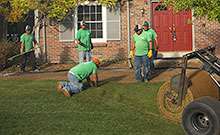
Spring is a terrific time to sod! Beat the summer heat and install sod now when the temperatures are cooler. In spring, the root systems of Bluegrass and other cool season grasses will come alive and will root quickly. The warm days and cool nights create a perfect environment for growing and knitting new sod together; ideal conditions for developing a root system before the summer heat hits. See more…
Hand Water, April 2012
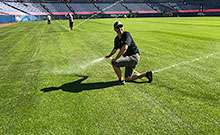
It has been a very warm, dry spring thus far. Grab the hose or a bucket and water south facing dry spots and lawns. Due to the warm, windy weather, your lawn may need some water in localized areas. If it looks dry, hand water.
“New Sod Care”
If you installed sod in the fall, your new lawn will need some water. It is only 4 to 6 months old and is still working on developing a root system. Water will help this new sod develop this spring. A little water right now will go a long way to ensure you new sod will keep developing a deep root system.
Rake Those Matted Areas, March 2012
We are seeing gray snow mold this March. These matted areas occur when your grass is covered with snow for prolonged periods of time and temperatures are slightly below freezing. Now that the snow is gone, the best thing to do is gently rake the matted turf allowing it to dry. Read more…
Time to Hand Water, March 2012
Due to the seasonally warm weather, wind and lack of precipitation, grass is greening up and drying out at the same time. If your turf looks dry, grab the hose and do a little hand watering. South facing lawns will dry out the most.
Clear North Facing Snow, March 2012
Remove the snow off north facing turf areas to avoid snow mold. This will also help these weaker turf areas fill in this spring.
Sodding in the Winter, February 2012
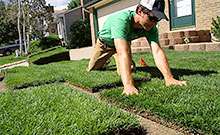
Yes, you can sod in the winter in Denver. Dormant sod roots slowly this time of year but once the temperatures warm up, the grass will take off. The advantages of sodding in winter are that you get a jump on establishing your lawn and you will use less water. As long as your grade is set, you can lay sod on frozen ground. As we move into spring, we get a lot of wet snow and rain that really helps establish your new yard. Read more…
Vole Control, January 2012
If you see strange patterns in your snow covered lawn or discovered tunnels through your grass blades, you may have Voles. The most effective control is to remove the snow from the lawn and they will retreat. If the problem is extreme, mouse traps can be placed in the tunnels or near burrow holes. To repair tunnel damage in your lawn, rake up the dead grass, fertilize with 20-20-10 and water the effected areas early in spring. This will help the bare areas re-grow from the roots deep in your lawn and it will fill in. Read more…
Snow! December, 2011
Enjoy the snow that is covering your lawn! We have good snow cover here in Littleton this month. New sod and established lawns in the Denver metro area love being covered with snow during the winter.
Fall Watering? November, 2011
It has been a dry, warm month. Lawns sodded this year will need a little water due to wind and warm temperatures. If your new lawn looks dry, a short watering will help keep the crown (or base) of the grass blade hydrated. If you have winterized your sprinkler system, use a garden hose and hand water areas of you lawn that look dry for 5 minutes. A little water will go a long way this time a year and protect your lawn from drying out this winter.
Not Too Late to Fertilize, October 2011
If you missed fertilizing your lawn this fall, it’s not too late to feed your newly sodded lawn or established yard. If your lawn needs some help, use our GVT 20-20-10 lawn fertilizer. If you grass is looking good, use our GVT 20-5-5 Slow Release lawn fertilizer. It’s fall, get your lawn ready for the winter and feed it. It has been dry so water your grass if you new sod or lawn looks dry.
Feed Your Lawn, Winterize Your New Sod, September 2011
Fertilizer your lawn! Just like a bear, your grass needs to bulk up this fall and store nutrients for the winter. If your lawn has not been fertilized this season or you have a new sod yard, fall fertilization will benefit your turf the most. Bluegrass fills in and spreads in the fall when the temperatures cool down. If your lawn needs some help, use our 20-20-10 fertilizer for fast results. If you grass is looking good, try our 20-5-5 Slow Release lawn fertilizer. Its fall, fertilizer your newly sodded lawn or established grass in Denver this September and get it ready for winter.
The Heat is On! More Brown Spots, August 2011
If brown spots start appearing in your new sod or existing lawn, you need to increase your watering time or try hand watering smaller areas. This is very common when temperatures increase 10 to 20 degrees and get into the high 90’s. Hand watering is a great way to combat dry or brown spots during high heat time. Nurse these areas back with a little extra water applied with a hose or a bucket if the areas are small.
Brown or Dry Spots, June 2011
If brown spots start appearing in your new sod or existing lawn, you need to increase your watering. Also, check sprinkler heads for clogged nozzles and hand water these areas to bring the grass back. This is a very common when the temperatures increase 10 to 20 degrees and get into the high 90’s.
Mushrooms, July 2011
Finding mushrooms in your lawn is a sign your yard is too wet. This is common in newly sodded lawns when the weather cools down and it rains. If mushrooms show up, back the water off a little bit. If you are getting rain on your grass, turn off the sprinkler system. Once your lawn starts drying up, turn the system back on.
Lawn Aeration, May 2011
Aeration is a great spring practice for many reasons. Aeration opens up the ground and allows air to get into the root system. Your lawn and soil need air to stay healthy and thrive. Aeration also helps get water and fertilizer deep into your root system. It reduces soil compaction and helps control thatch in your yard. Aerate, fertilize, and water
Fertilizer, April 2011
Early April is a great time to fertilizer your lawn. This will help it fill in quicker once it comes out of dormancy and promote root growth. This also helps with quicker spring green up. With these seasonal high temperatures we have been experiencing with little snow or rain, your yard may need watering, especially if your yard is less then 2 years old.
Is Your Sod Less Than a Year Old? April 2011
If you have a new lawn that is less than a year old, be sure to start watering in April. It takes a new yard more than a year to establish a deep root system. A little water goes a long way this time of year and it will really help your new sod get ready for the summer heat.
Check Your Irrigation, Late March 2011
Now it is time to fire up your sprinkler system. With temperatures in the 60’s and high winds in the Denver area, sod, grass, plants and trees are drying out. If you have new sod from last year, now is the time to water. Lawns that are a year or less old have a shallower root system. Spring is a great time to grow those roots down. A little water now will help thicken up your yard and help the root systems grow deeper.
Sod Early, Beat the Mud, March 2011
The last two weeks in March are historically very wet weeks due to snow and rain. If you are tired of mud and want to install sod soon, plan on late February or early March. This is a great time to put your lawn in and take advantage of the free spring moisture.