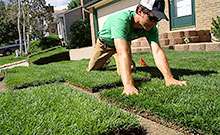
A common misconception among homeowners is that spring is the only acceptable time to plant a new lawn. While spring is certainly a popular season for landscaping, it is not necessarily the optimal time for sod establishment in the unique climate of the Front Range. If you are planning a lawn renovation and wondering when is the best time to install sod in Denver, Colorado, the answer might surprise you: late summer and early fall, specifically from mid-August through September, is often the ideal window for achieving a perfect, long-lasting lawn.
The primary reason late August and early fall are so advantageous for sod installation is the shift in weather patterns. During this time, the intense, blistering heat of mid-summer begins to wane, reducing the immediate heat stress on newly laid turf. However, the soil retains the warmth it absorbed throughout July and August. According to Colorado State University Extension, soil temperatures in the Denver area typically remain above 50 degrees Fahrenheit well into October, which is the minimum threshold for active root growth. This combination of warm soil and cooler ambient air temperatures creates the perfect environment for rapid, vigorous root development.
Furthermore, installing sod in late summer gives the grass a significant head start on the following year. Because the roots have time to establish deeply during the fall, the lawn will emerge in the spring much stronger, greener, and more resilient than a lawn planted in April or May. A fall-established lawn is far better equipped to handle the subsequent summer’s heat and drought conditions because its root system is already mature and capable of accessing deeper moisture reserves.
Another practical advantage of late summer installation is weed control. Many common lawn weeds, such as crabgrass, germinate in the spring and thrive during the peak summer months. By installing sod in late August, you bypass the primary weed germination window. The dense canopy of the new sod naturally crowds out any late-season weed seeds, resulting in a cleaner, healthier lawn with less reliance on chemical herbicides.
Spring installation also carries a significant risk in Colorado: late freezes. Denver’s average last frost date is around May 7, but late-season snowstorms can occur well into May and even early June. Sod installed in April or May is vulnerable to this kind of cold damage before it has had a chance to fully root. Late summer installation eliminates this risk entirely, as the grass has weeks of warm weather to establish before the first fall frost.
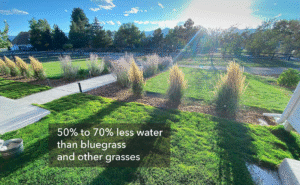
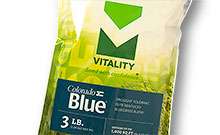
Whether you are upgrading to our drought-tolerant Tahoma 31™ or our classic Colorado Blue™, planning your installation for late summer ensures the highest rate of success. Green Valley Turf Co. has been installing sod in Colorado since 1962, and we consistently see outstanding results from fall plantings.
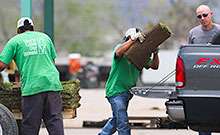
Take advantage of the perfect planting season. Schedule your sod installation in Denver today and enjoy a beautiful lawn this fall.